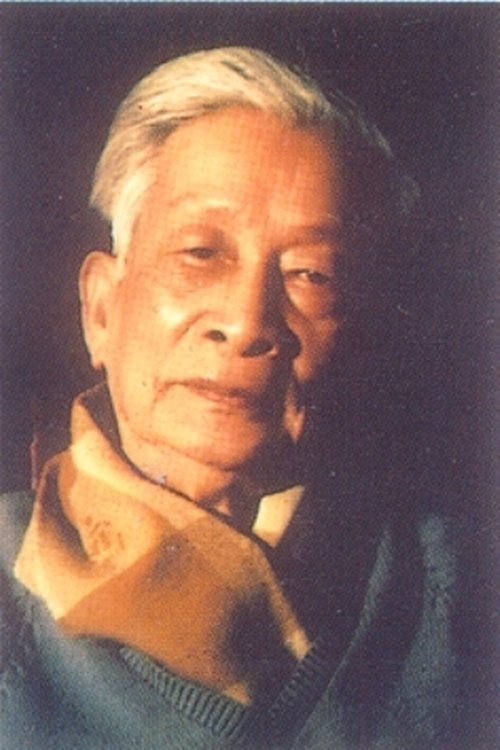
Trần Đình Thọ
Trần Đình Thọ (October 2, 1919 – February 2011) carved a distinctive path in Vietnamese art as both a painter and an influential art director. Born in the early decades of the 20th century, he came of age during a turbulent period of cultural and political transformation, yet his creative vision remained remarkably focused. Over a career that spanned more than six decades, Thọ became known for his mastery of lacquer and oil painting, often blending traditional Vietnamese aesthetics with modernist sensibilities.
Among his most celebrated works are his contributions to the famed “Lacquer Painting” movement, where he experimented with texture and light in ways that redefined the medium. His paintings frequently depicted rural landscapes, daily life, and the quiet dignity of working people, earning him recognition both domestically and internationally. Thọ’s role as an art director further amplified his impact, as he guided younger generations of artists and helped shape the visual identity of post-war Vietnamese cinema and print media.
His achievements were formally acknowledged through numerous national awards, including a posthumous honor from the Vietnamese government for his lifelong dedication to the arts. Thọ’s legacy endures not only in the canvases that hang in museums and private collections but also in the artistic standards he helped establish. He passed away in early 2011, leaving behind a body of work that continues to inspire a deep appreciation for Vietnam’s rich cultural heritage.