Lydia Mancinelli
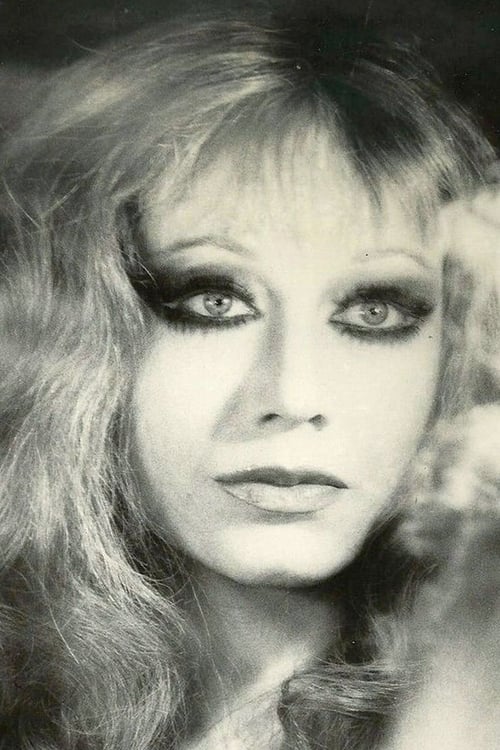
Lydia Mancinelli carved her place in Italian performance history as a stage and screen actress, though her legacy is inseparable from her profound creative and personal bond with the visionary theater maverick Carmelo Bene. Rather than a footnote to his genius, she was a vital collaborator whose presence shaped some of the most daring experiments in postwar Italian avant-garde theater.
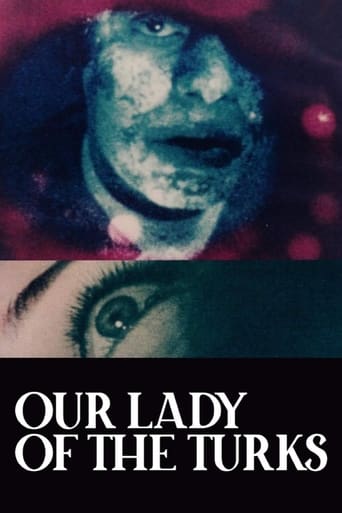
Her career unfolded primarily within Bene’s radical reworkings of classical texts, where she brought a distinctive, almost spectral intensity to the stage. She appeared in landmark productions that defied conventional dramaturgy, including *Salomè* and *Amleto*, performances that became touchstones of experimental theater for their sensory, deconstructed approach. Her work extended to film as well, most notably in Bene’s cinematic adaptations, where her ethereal yet grounded presence translated powerfully to the screen.
Beyond the collaborations, Mancinelli’s own artistic identity emerged through her command of gesture and voice—qualities that Bene often channeled into his explorations of the spoken word and the body in space. Her contributions were not merely supportive; they were foundational to the aesthetic that defined Bene’s most celebrated works. Though her name may not carry the same recognition as his, those who study Italian avant-garde performance recognize her as an indispensable force. Her quiet but enduring influence remains a testament to a partnership that blurred the lines between life, love, and art, leaving an indelible mark on the landscape of modern Italian theater.